
Numbers on real silicon,
published by SisuSemi.
Five published engagements — MOSCaps, photo detectors, p-n diodes, solar cells and post-dicing sensor sidewalls — with matched-baseline measurements on real devices.
The physics of clean, translated into fab KPIs.
Four headline outcomes customers have seen on their own silicon after ALP™ — measured on their own devices, against their own baselines.
At the Si surface and interface, atomic-level contaminants and disorder are removed — reducing defect density by 300–400% (3–4×).
Case studies show leakage reductions of 50% (photodetectors), 67% (MOSCaps), 75% (p-n diodes) and up to 80% (sensor sidewalls).
Lower leakage translates into chip-level power savings — a 50% boost in battery life for mobile-class devices.
Up to a 20% increase in usable chips per wafer, driven by a lower defect floor and tighter device-to-device variation.
Where atomic precision already pays for itself.
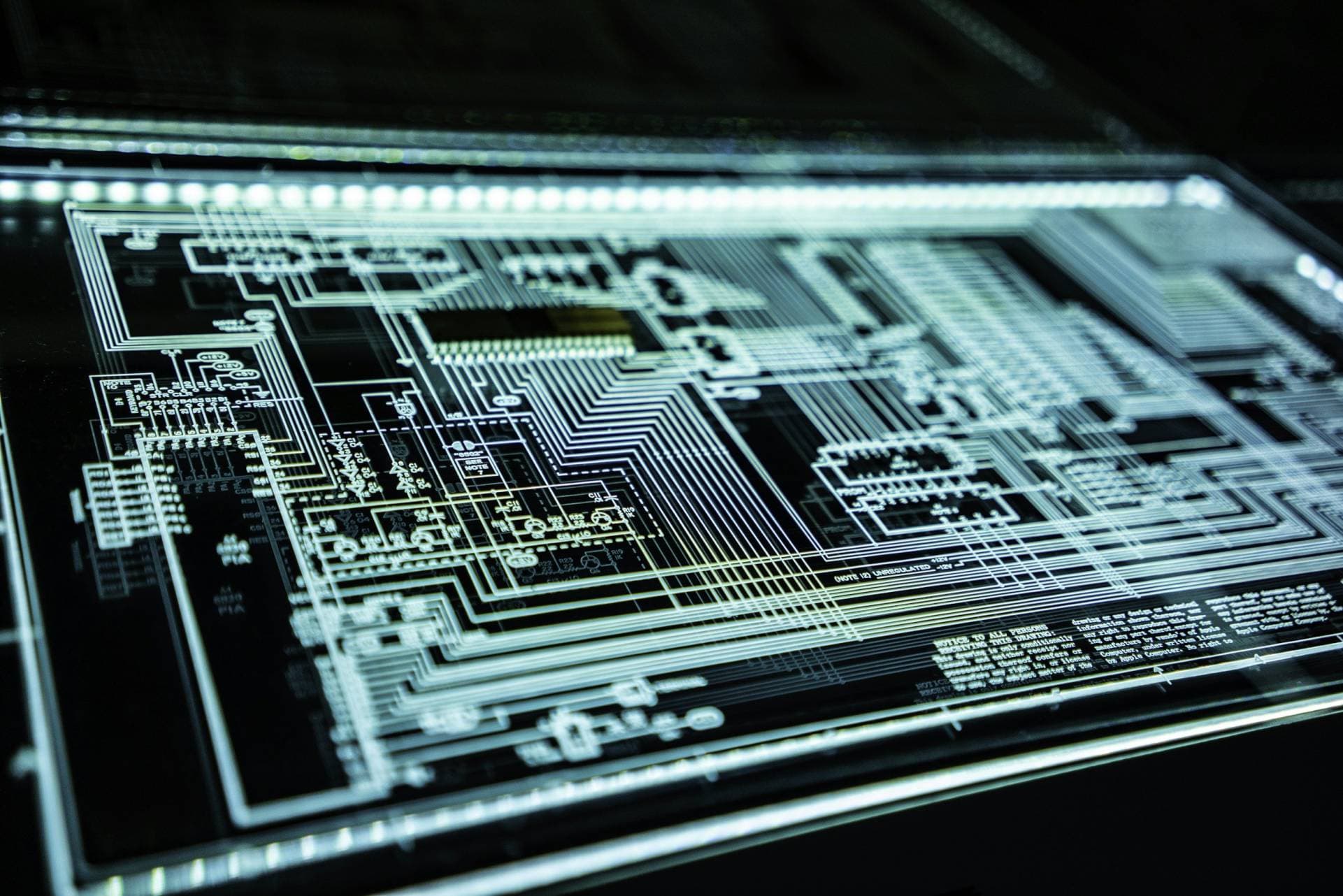
Dit reduced 42% and leakage cut 67% on Metal-Oxide-Semi capacitors.
Applied to MOSCap structures used in memory, logic and sensor chips. SisuSemi's surface treatment reduced interface defect density (Dit) by 42% and leakage current by 67%, while STEM imaging confirmed the amorphous silicon oxide had re-ordered into a crystalline Si/Al₂O₃ interface.

Photo-detector leakage reduced by 50% for better sensitivity.
A leading photodetector manufacturer had leakage current limiting sensitivity and signal accuracy. ALP™ treatment applied to diced components reduced leakage by 50%, improving detection accuracy and light sensitivity without compromising other characteristics.
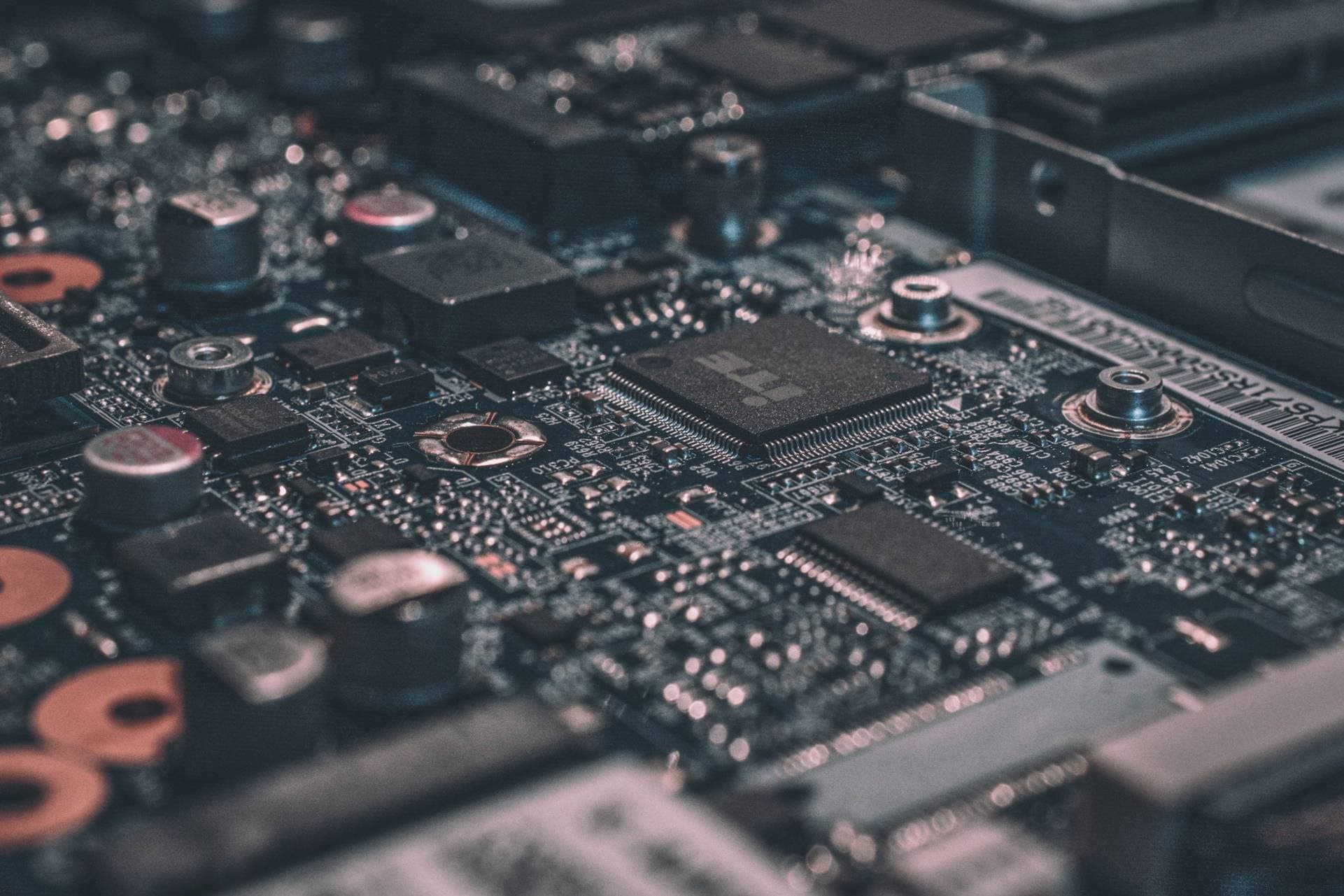
Leakage cut 75% on particle detectors with improved radiation hardness.
Particle detectors for satellites and nuclear power plants faced excessive p-n diode leakage in harsh radiation environments. ALP™ treatment on diced components reduced leakage by 75% while improving radiation hardness — extending detector lifespan in extreme conditions.
Up to 166% increase in minority carrier lifetime.
A solar cell manufacturer needed longer minority carrier lifetime for better energy conversion. ALP™ treatment on the wafers targeted recombination-driving impurities, achieving up to a 166% increase in carrier lifetime — translating into higher power output per cell.
Up to 80% less leakage and 75% less variation after dicing.
A radiation-detection leader had leakage variation forcing costly manual calibration and thick edge safety margins. ALP™ sidewall passivation after dicing gave up to 80% leakage reduction, over 75% variation reduction, and 2+ weeks of stability pre-packaging — enabling thinner safety margins and faster calibration.
Send samples.
See the numbers on your stack.
Pick one of the three published engagements — Components (12 chips), Surface quality (wafers), or Feasibility (wafers on your flow) — and we'll quote scope, timeline and KPIs.